
24
May
Share
Comments Off on I Tracked My Shuffle Casino Playtimes for Three Months: The Numbers Uncategorized
I Tracked My Shuffle Casino Playtimes for Three Months: The Numbers

People discuss responsible play all the time, but I wanted to see the numbers for myself https://shufflekaszino.org/en-nz/. So, I performed an experiment. For three months, I tracked every single time I played at Shuffle Casino. As someone in New Zealand, I noted my deposits, the games I picked, my wins and losses, and exactly how long I gamed. This isn’t a jackpot story. It’s a simple look at my own habits, using my own data. I’m sharing it because observing real figures might assist others consider more clearly about their own gaming.
How We Developed Our Data Gathering Method
The key was being consistent. Right after each Shuffle Casino session ended, I pulled up a spreadsheet and logged the details. I acted right away, because memory is hazy. For every session, I recorded the date, start and finish time, the exact game, my balance when I started and stopped, and any money I deposited. I also noted why I stopped—did I hit a win goal, a loss limit, run out of time, or just feel done? Adhering to this routine gave me three months of solid, dependable data to examine.
Important Data Points We Recorded
I stuck to the basics, tracking just a few things that revealed everything. Timing each session was illuminating; the clock tells the truth. For money, I noted deposits and final balances to understand where my cash went. Recording each game played showed my real preferences. And that note on why I stopped linked the numbers to my headspace at the time.
The “Why I Stopped” Code
This small note turned out to be one of the most valuable things I tracked. I used a short code: “T” for time limit, “WL” for win limit, “LL” for loss limit, “B” for bust (playing to zero), and “N” for a natural stop (just feeling finished). Observing how frequently “B” appeared compared to “WL” gave me a blunt look at my own discipline. It motivated me to set better limits later on.
Applying This Data for Smarter Play
The main idea of tracking was to change my habits for the good. I established three new rules from what I found out. To start, I established a firm weekly deposit budget based on my three-month average. This limits those heftier weekend spends. Next, I now compel myself to take a five-minute break every half hour to clear my head. Thirdly, I decide what game I’m going to play before I even log in, based on how much time I have and the risk I’m okay with. I don’t just wander through the lobby anymore. These rules operate for me because they’re built on what I truly did, not what I *thought* I did.
Profit and Loss Dynamics and Volatility
Examining each session result displayed the standard ups and downs. I finished ahead 19 times and behind 28 times. Basically, I ended up losing in about 60% of my sessions. But my best win (+$210) was bigger than my worst loss (-$125). That’s normal volatility. A few major wins get overshadowed by many minor losses. The data chart appeared as a jagged mountain range. It helped me remember that any single session is just a blip in a chance series. That helped to not get so hung up on a bad day.
The Reason We Started Tracking Our Play
Primarily, I was curious. I thought I knew my habits, but I had a hunch my gut feeling was wrong. I wanted facts, not guesses. How much money was I really putting in each month? What games did I really play the most? Did my “quick break” often turn into an hour? I started tracking to obtain a clear picture and make more conscious choices. This wasn’t about stopping. It was about understanding, so playing could stay a fun part of my life without any nasty surprises.
The Effect of Time Management
The time data gave me my biggest “aha” moment. How long I played was tightly linked to how I finished. Sessions under 30 minutes were practically a coin flip for wins and losses, and I usually stopped because I hit a limit I’d set. Sessions that ran longer than an hour virtually always ended in a loss. Those were the ones where I often played down to zero or hit a loss limit in frustration. It seemed my focus and good judgment diminished the longer I played. Because of this, I now set a hard 45-minute timer for every session. That rule came straight from the numbers.
The Hard Data: Deposits, Game Sessions, and Time
After three months, I tallied the results. I had participated in 47 different occasions. I deposited a total of NZD $1,150 across the whole period, which averages out to about $383 a month. My net result, after subtracting all deposits from what I could have taken, was a loss of NZD $180. The clock indicated I logged 2,215 minutes playing. That’s a bit less than 37 hours. Each session ran 47 minutes. Viewing the totals like that was a wake-up call. The hobby now had a defined, mathematical shape I couldn’t explain away.
Game-by-Game Breakdown
I was really keen to see which games I played and how they went. The data revealed strong preferences and varying outcomes. Pokies consumed most of my time, but my results differed significantly between them. I played not as many table and live dealer games, but they felt different—often lengthier and less frantic. This breakdown revealed to me which games were purely for quick thrills and which I played when I was looking for a longer session.
- Online Pokies: Took up 78% of my total time. Net result: -$142.
- Random Blackjack: 12% of total time. Net result: -$55.
- Live Dealer Games: 8% of total time. Net result: +$17.
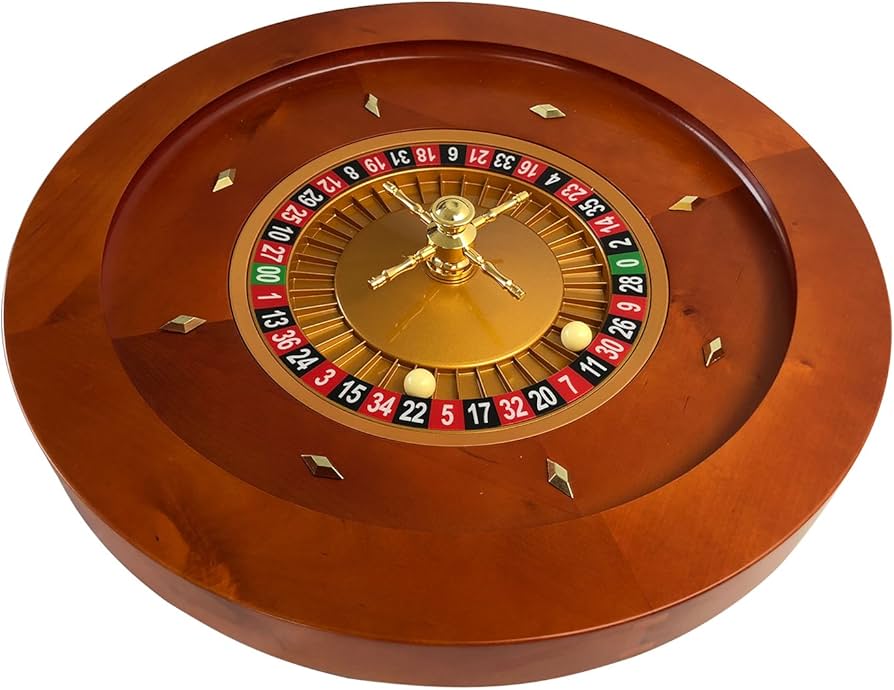
- Additional Games (Roulette, Baccarat): 2% of total time. Net result: $0 (break-even).
Crucial Behavioral Insights We Discovered
The numbers mirrored my psychology back at me. I spotted a “chasing” habit on weekends. My sessions were a bit more common and my average deposit was higher. Weekday play was more concise and more restrained. I also identified a specific trigger: if I lost three spins in a row on a pokie, I was very prone to jump to a different game, usually blackjack. I think I was seeking for a game that felt more tactical. Now when I feel that urge, I can recognize it and ask myself if I’m making a smart move or just reacting.
- My average deposit on weekends was 22% more than on weekdays.
- I commenced playing most often between 8 PM and 10 PM.
- The opening session of every month always had my largest deposit.